

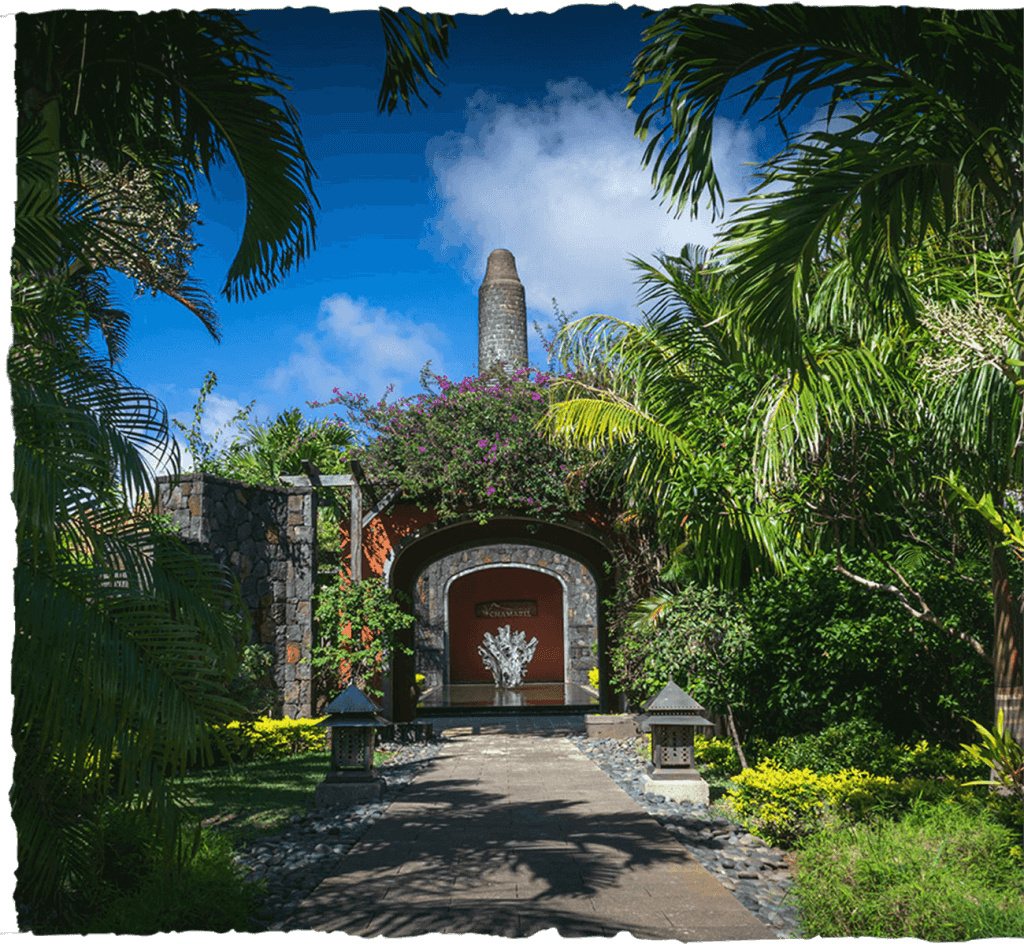
Quick answer
Mauritius is home to three primary rum producers: Chamarel, known for agricultural rum made directly from cane juice; Grays and New Grove, both part of the Medine Distillery producing molasses-based blends; and Lazy Dodo, a craft distillery focusing on small-batch spiced and flavored variants. Chamarel operates daily tours with tastings (450 MUR per person, closed Sundays) at its estate in the southwest highlands. The other brands offer shop tastings at their production sites and through select retailers island-wide.
Mauritius grows sugarcane across 90 percent of its cultivated land, yet only a fraction of that harvest becomes rum. The distinction matters because mauritian rum brands split into two camps: agricole-style rums made from fresh cane juice and traditional rums distilled from molasses, the syrup left after sugar extraction. Chamarel pioneered the agricole method locally in 2008, pressing estate-grown cane within hours of harvest to preserve the grassy, floral notes that molasses-based spirits lose. The result tastes closer to a rhum agricole from Martinique than to the caramel-heavy blends most associate with Caribbean rum. The island's oldest operations trace back to colonial sugar estates that added distilleries as side ventures. Medine Distillery, founded in 1926, produces both the Grays and New Grove labels—Grays aimed at the local market with lighter blends, New Grove positioned as the premium export line with aged reserves and single-cask bottlings. Lazy Dodo entered the scene in 2017, occupying a niche between craft cocktail culture and tourist souvenir shopping with its vanilla- and coffee-infused variants. Production stays small; the entire output fits into a single warehouse near the Grand Baie coast. What sets these spirits apart from Caribbean counterparts is terroir. Volcanic soil deposits lend Mauritian cane a mineral edge, and the subtropical climate allows year-round harvesting rather than a single crushing season. Chamarel's estate sits at 300 meters elevation in Chamarel village, where cooler nights slow fermentation and sharpen the final distillate. The distillery ferments with wild yeast rather than commercial strains, a risk that occasionally produces off-batches but more often yields complexity absent from industrial operations. Guided tours walk through the copper pot stills and aging cellars before ending in a tasting of four expressions, from unaged white to seven-year reserves finished in port casks. Visitors booking rum experiences typically choose between Chamarel's immersive estate visit and retail tastings at shops stocking New Grove or Lazy Dodo. Chamarel requires the most logistics—arriving before 15:30 to catch the last tour, navigating the winding road from coastal resorts—but offers the only behind-the-scenes distillery access open to the public. The 450 MUR entry includes the guided tour and tasting; bottles are sold separately at the estate shop. New Grove maintains a visitor center at Medine's Saint-Pierre facility, though hours are irregular and best confirmed in advance. Lazy Dodo operates a tasting bar at its Grand Baie warehouse on weekdays, walk-ins welcome.
“Volcanic soil deposits lend Mauritian cane a mineral edge absent from Caribbean counterparts, and the subtropical climate allows year-round harvesting rather than a single crushing season.”
Opening Hours for Mauritian Rum Brands at Chamarel
Rhumerie de Chamarel operates on a consistent daily schedule throughout the week. The distillery remains closed on Sundays to visitors.
| Monday | 09:00–16:30 | |
|---|---|---|
| Tuesday | 09:00–16:30 | |
| Wednesday | 09:00–16:30 | |
| Thursday | 09:00–16:30 | |
| Friday | 09:00–16:30 | |
| Saturday | 09:00–16:30 | |
| Sunday | Closed |
Best Time to Visit Mauritian Rum Brands
The best arrival window is 09:00–15:30 to avoid mid-day heat and ensure enough time for the last guided tour. Visiting during the shoulder seasons provides a balance of moderate temperatures and manageable visitor numbers.
Weekday mornings
Minimal—
Arriving at opening allows for a quiet experience before larger groups arrive.
May to September
ModerateMild, 20°C to 25°C
This cooler period is optimal for touring the distillery grounds comfortably.
October to April
HighWarm, 25°C to 30°C
Expect higher temperatures and increased visitor density during these warmer months.
Verdict: Tuesday to Thursday mornings during the cooler months of May or September offer the most comfortable and quietest conditions for your visit.
Directions to Discover Mauritian Rum Brands
The distillery is located on Royal Road in Chamarel, situated in the southwestern part of Mauritius. Access is most efficiently achieved by private vehicle or taxi due to the scenic, winding roads leading into the hills.
Follow the B104 road through Case Noyale toward Chamarel
Direct hire from major resorts or Port Louis
Bus to La Gaulette, followed by a local taxi connection
On-Site Facilities for Mauritian Rum Brands
The Rhumerie de Chamarel estate offers visitors a structured view of the rum production process, from the initial harvesting of sugarcane to the final bottling stages. Visitors move through integrated facilities designed to showcase both technical distillation and the refined culture of Mauritian rum brands.
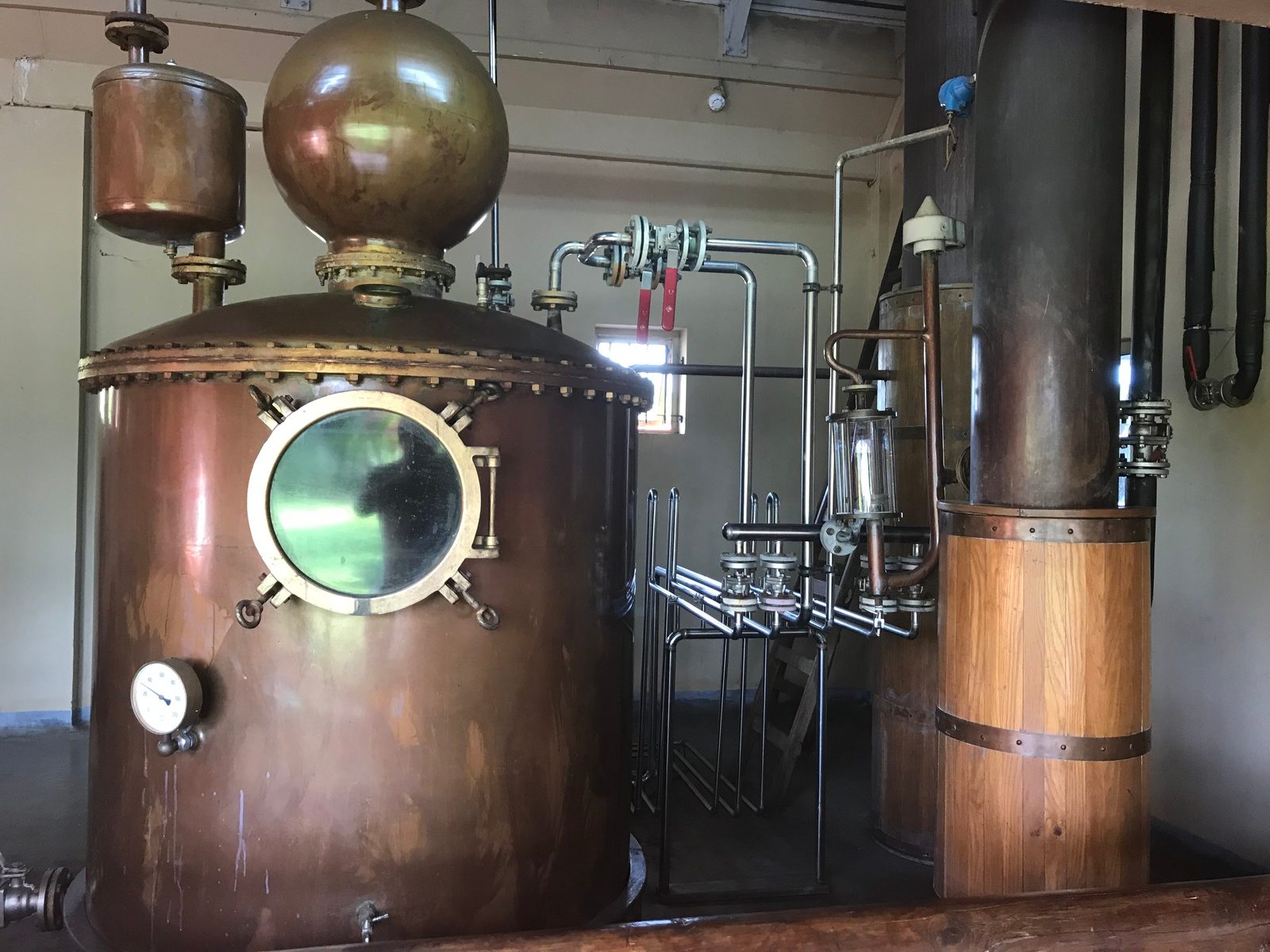
Distillation Hall
This central zone houses the copper pot stills where fermented sugarcane juice undergoes precise heat-controlled distillation. Observe the temperature gauges to understand how different flavor profiles are separated.
Watch the still outputs during the mid-morning distillation cycle.
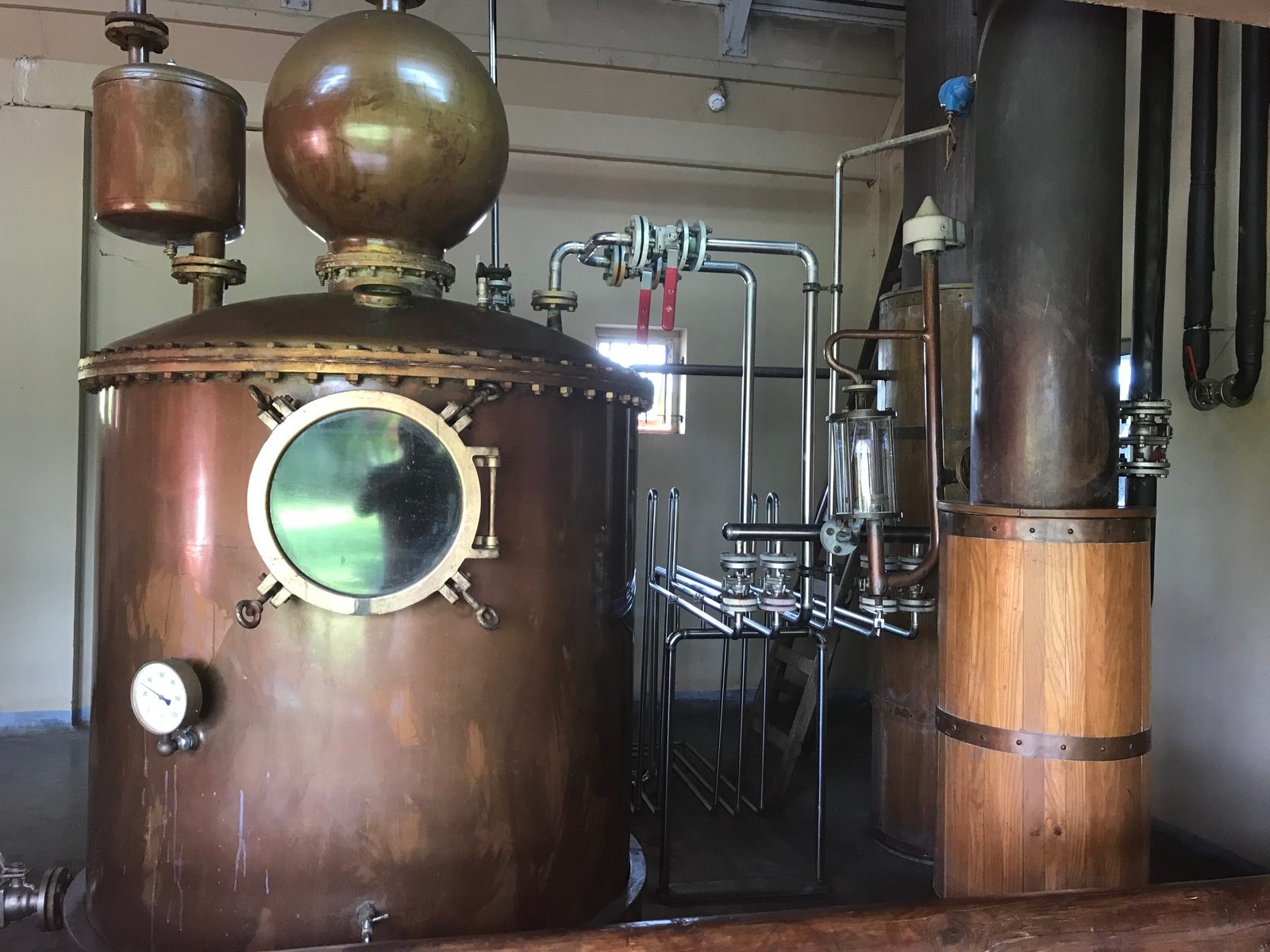
Fermentation Vats
In this temperature-controlled area, the raw sugarcane juice is processed into wash through yeast inoculation. Notice the distinct olfactory profile of the sugar as it converts into alcohol.
Compare the aroma here to the finished products later.
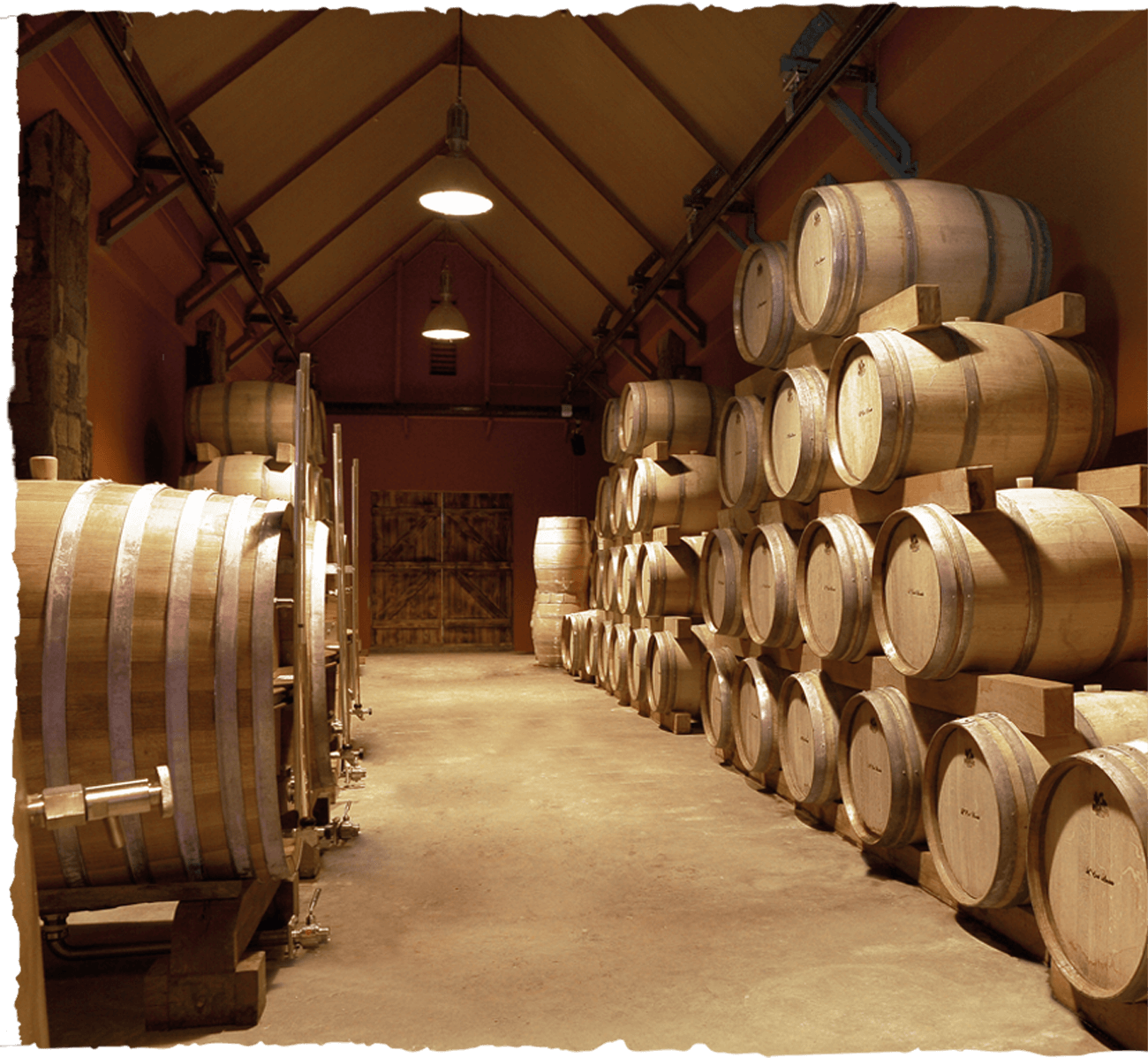
Aging Cellar
Rows of oak barrels store the rum to develop character through maturation and wood contact. These casks are kept in a cool, dark environment to minimize evaporation losses.
Look for the markings on barrel ends to identify age.
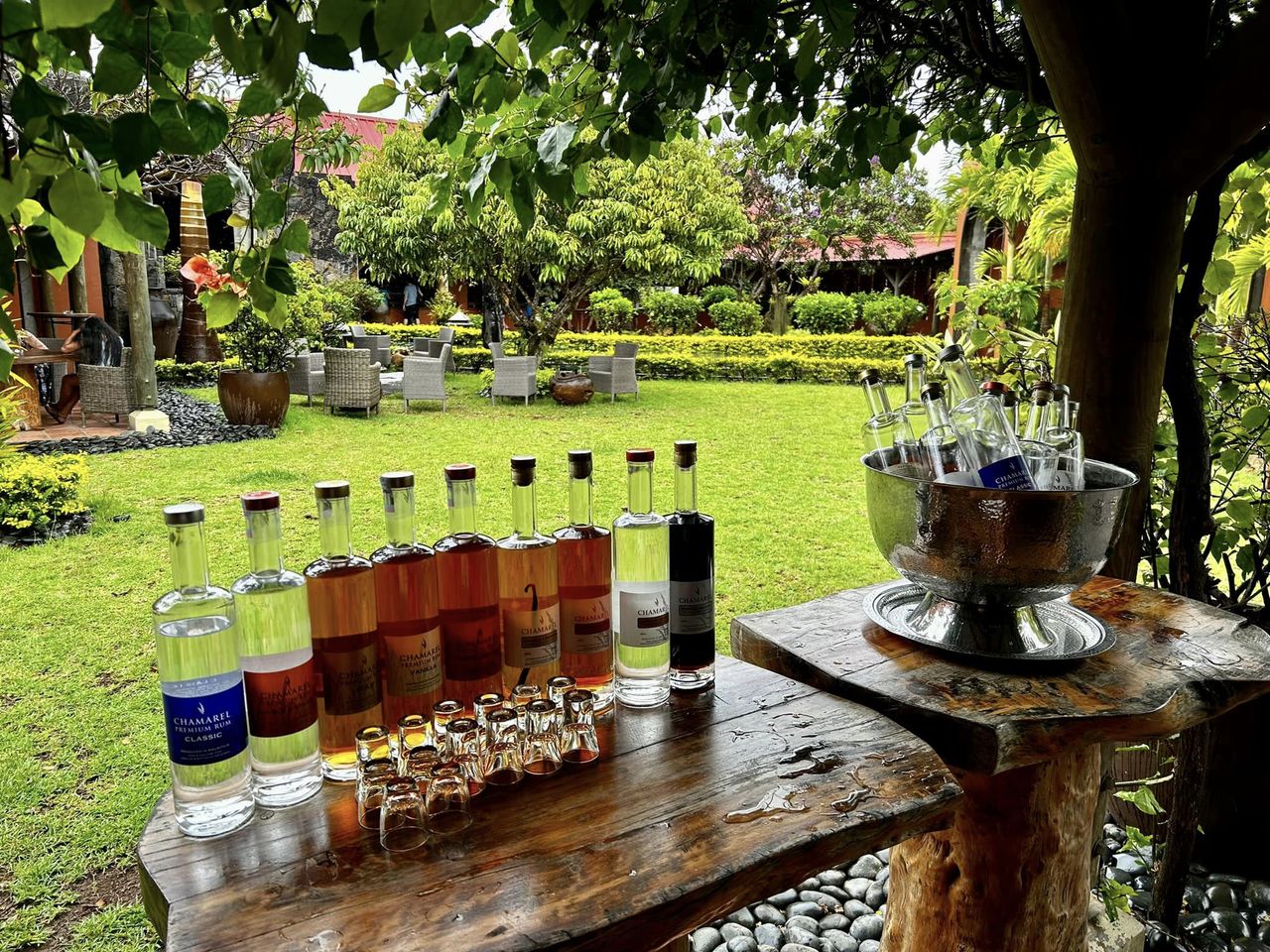
Tasting Lounge
This dedicated space allows for the systematic sampling of various rum expressions produced on the estate. Use the provided palate cleansers between samples to distinguish the notes of each rum.
Sample from lightest to darkest for clear flavor detection.
Check availability
Frequently asked questions about mauritian rum brands
Everything you need to know about mauritian rum brands